How to Choose the Right Dog Harness: A Complete Guide for Dog Owners
Oct 06,2025
Finding the right harness affects your dog’s comfort, safety, and enjoyment during walks. Dog harnesses have loops that go around their torso and the widest part of their neck, reducing pressure on the neck, compared to a collar.
Whether you have just become a new dog parent or a seasoned one, choosing the right harness from the many styles and fits can be overwhelming. The right harness should fit your dog’s size, be durable, and reflect a combination of both your dog’s personality and your lifestyle.
Why a Harness Works
A harness gives you better control over your dog than a collar. It distributes pressure across the chest and back, instead of on your dog’s neck. This reduces the risk of injury and strain on their throat for all activities, especially for strong pullers and reactive dogs. Dog breeds prone to respiratory issues benefit greatly from wearing a harness. Short-faced breeds like Pugs, French bulldogs, English bulldogs, Boston Terries, and Shih Tzus are more prone to suffer from Brachycephalic Obstructive Airway Syndrome (BOAS) due to their facial structure. Harnesses make walks safer and more comfortable. They also help manage pulling, encouraging calmer walking behaviour over time.
Some harnesses have better designs that minimise compression on the airways and provide ergonomic support for the dog’s body to ensure a great fit. Such a harness supports freedom of movement without causing discomfort like skin chafing or risking the dog wiggling out of the harness.
Types of Dog Harnesses
The first step in choosing a harness is to consider your dog’s size, breed, and behaviour. Active dogs may require more control, and quality craftsmanship coupled with premium materials can better withstand strong pulling force. Dog harnesses come in different styles, functionalities, and designs. So, which would you choose for your best friend?
Back Clip Harness
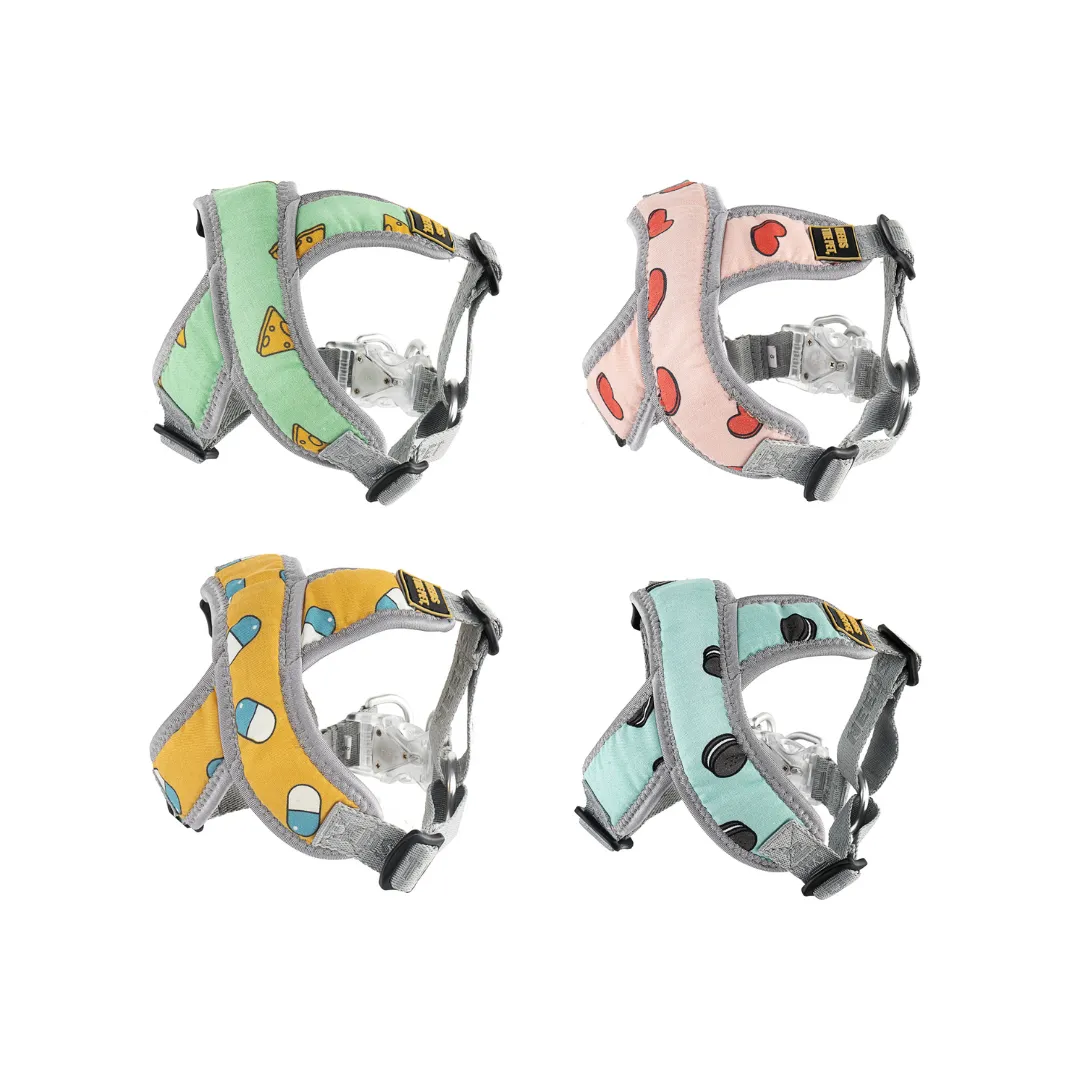
NTP Step-in LED Dog Harness
- A step in harness with LED light, adjustable fit, quick to wear with just one touch
- Printed cute designs make this harness extra pretty!
- A good choice for pets sensitive to wearing a harness or has sensitive skin
A back-clip harness is the most common type of harness you will come across. The leash clips onto a D-ring on the back, positioned below its shoulders for balance and comfort. This design evens out the pressure across the chest and back, reducing strain on the neck and throat. It works well with both short and long leashes, making it a versatile choice for both everyday walks and dogs that do not pull. Back clip harnesses are usually step-in harnesses, which makes them easy to put on and take off, making them practical for quick and stress-free use.
Front Clip Harness
A front clip harness attaches the leash at the chest, giving you more control over your dog. It discourages leash pulling, making it effective for dogs that lunge or tug. This type is helpful for training sessions and improving leash manners. Front clip harnesses discourage pulling by gently redirecting the dog when they pull forward. Dog trainers often recommend front clip harnesses to help your dog learn good leash-walking manners.
Dual-Clip Harness
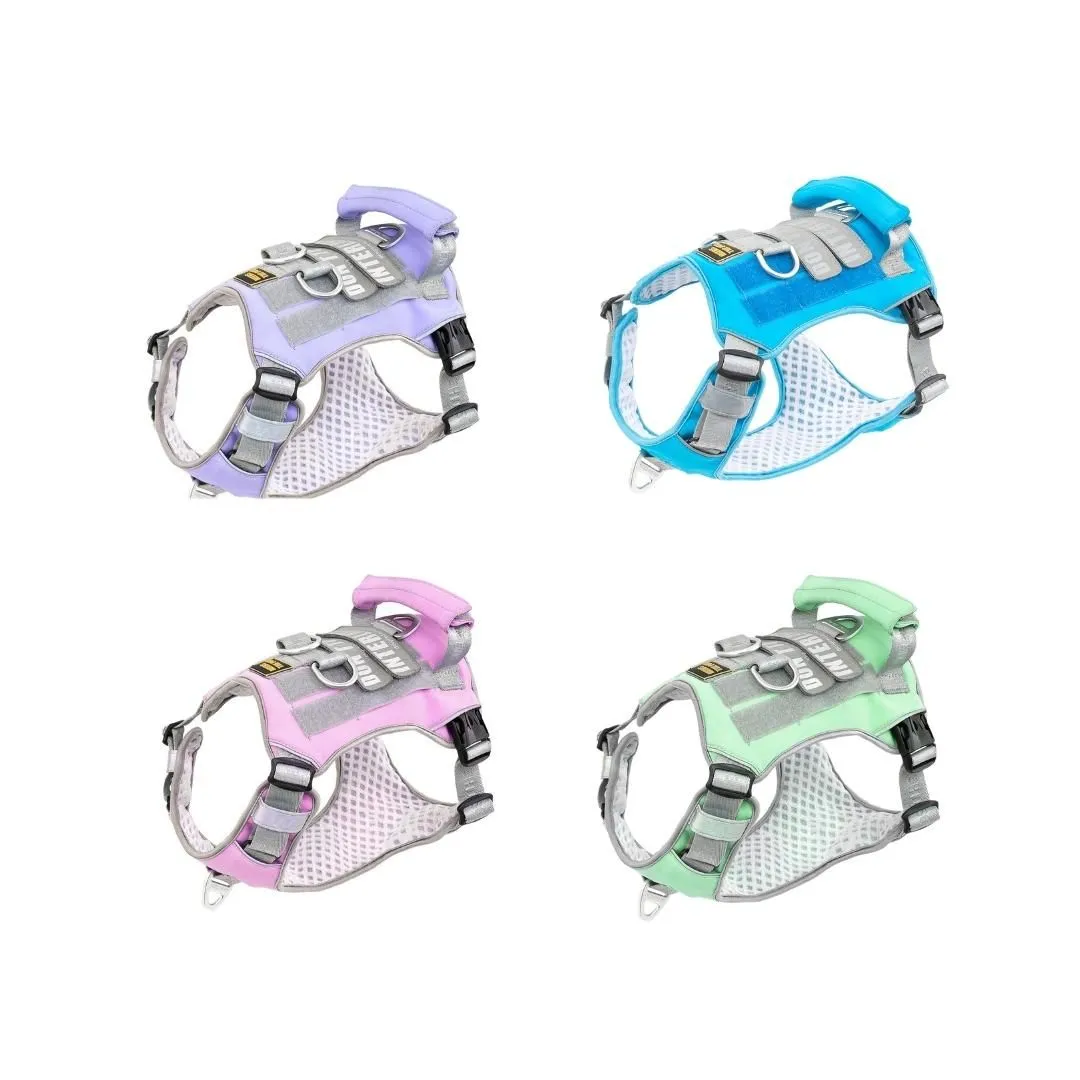
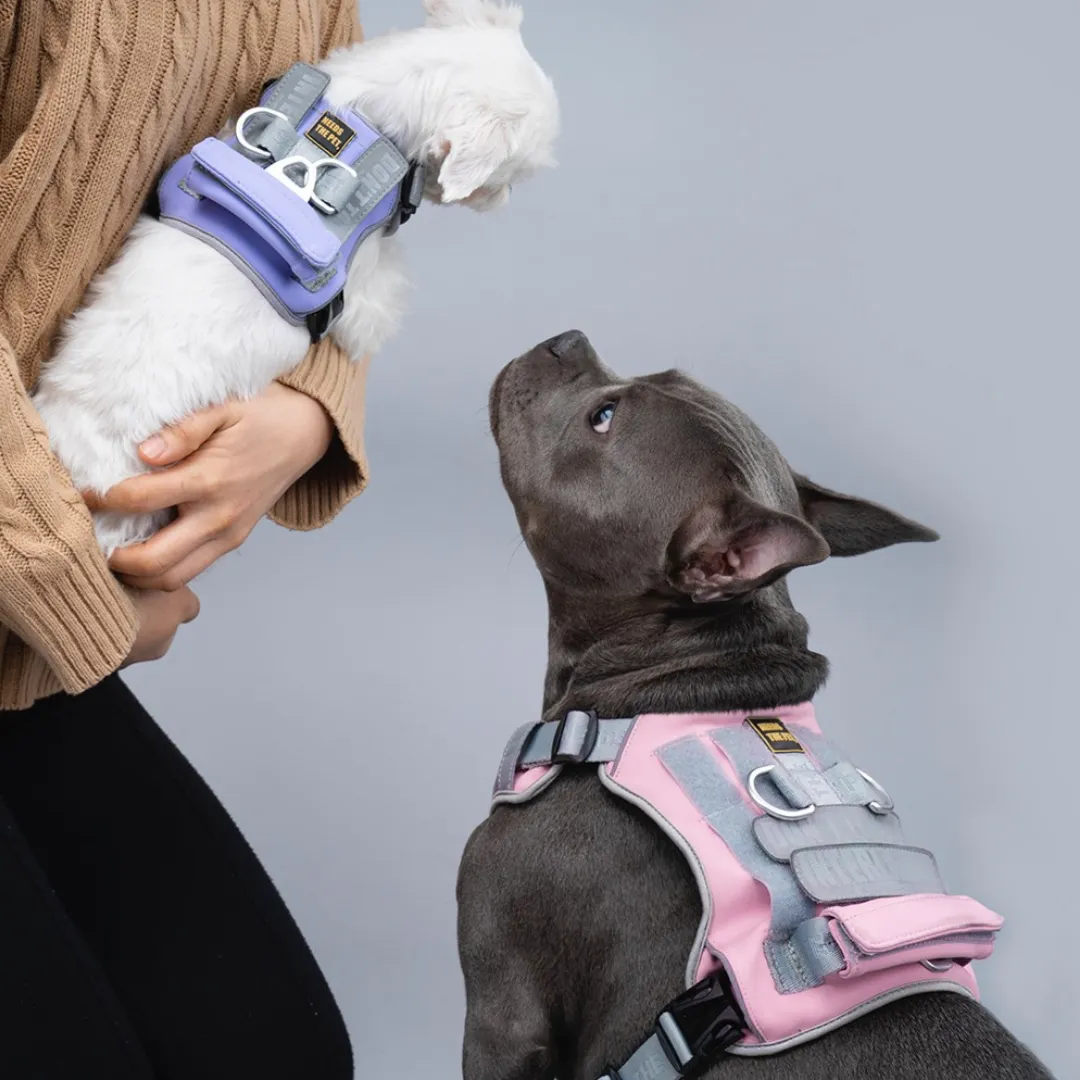
INTERLAKEN No-Pull Cooling Dog Harness
- A high performance harness with exceptional fabric that is water-resistant, anti-bacterial, UV blocking as well as offering cooling comfort
- Light and strong withstanding up to 120kg pulling force
- Modern design and trendy colours
A dual-clip harness, typically called a no-pull harness, is a harness with front and back attachment points that offers more control coupled with more flexibility. It combines the advantages of a front clip and back clip harness, so you can easily switch between the front and back clips for flexibility and control. Combined with a good design, the no-pull harness offers superior body support and comfort for your pup. This type is the most versatile option - suitable for all dogs and all types of activity, whether strong or energetic dogs and pups still learning proper leash manners. This design evens out the pressure across the chest and body, making it more comfortable for your dog and putting less strain on your arms and shoulders.
Y-Harness
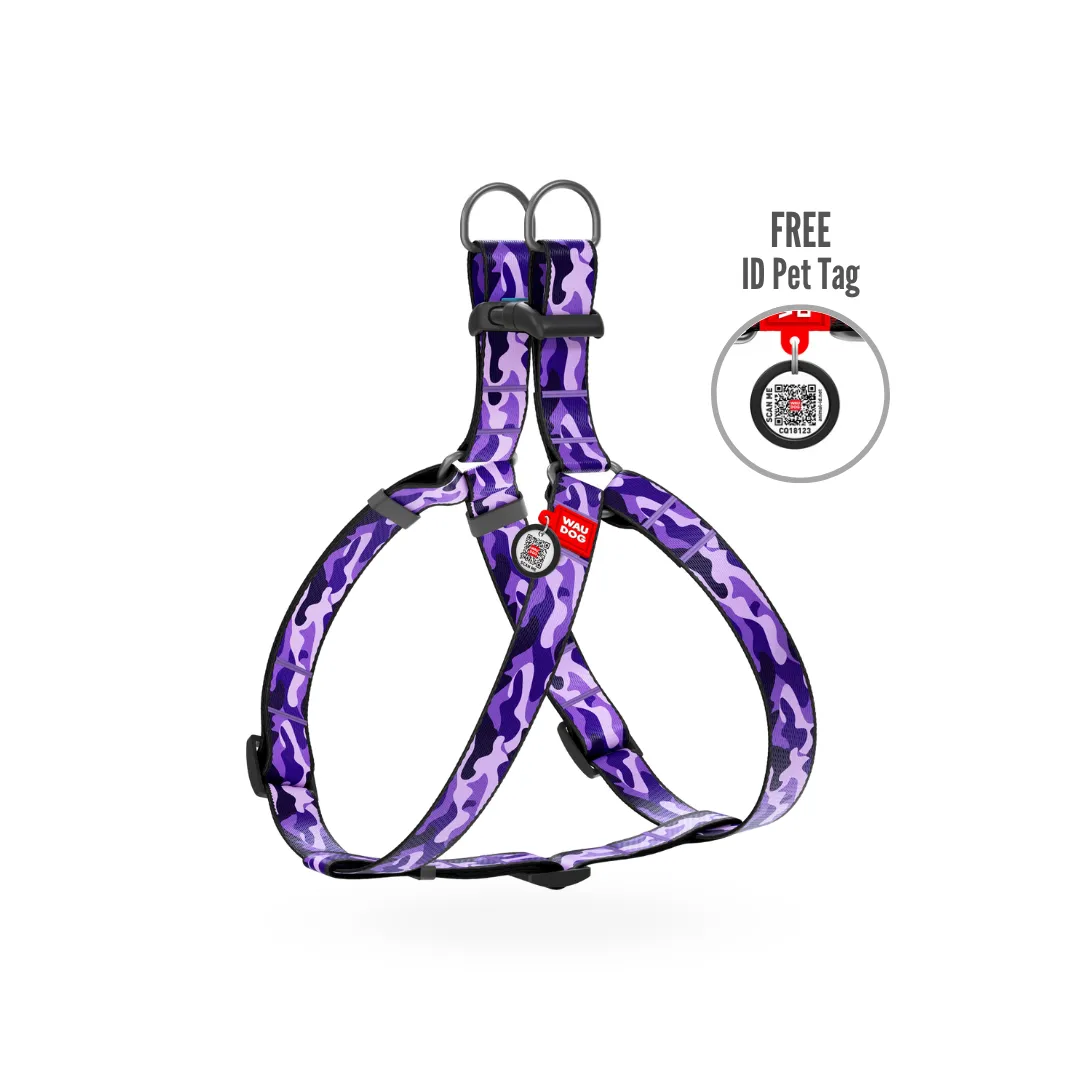
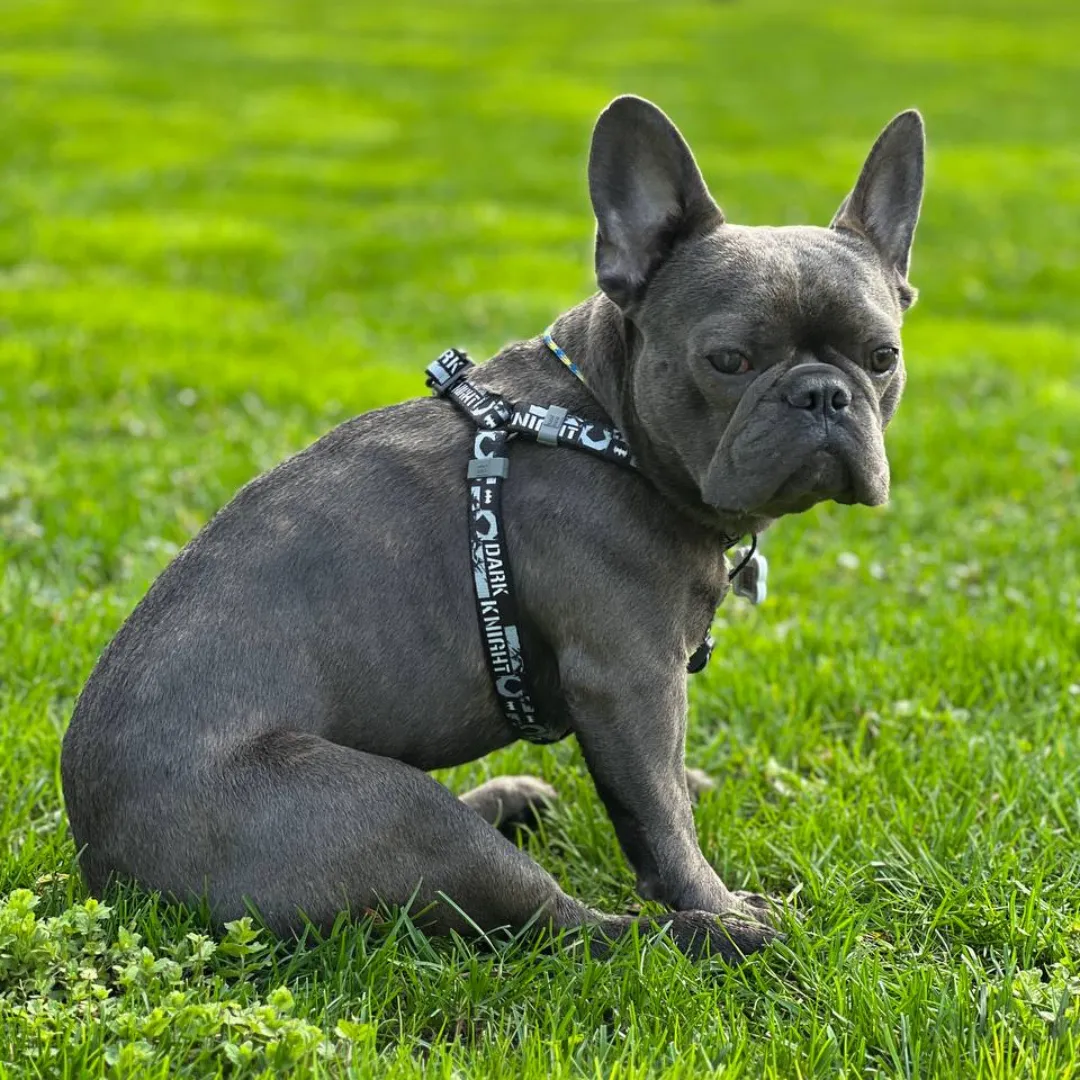
WAUDOG Strap Dog Harness | Free ID Pet Tag
- A super soft and durable nylon step-in harness great for tropical weather
- This Y-harness comes with free Smart ID Pet Tag to protect your pet 24/7
A Y-harness is a Y-shaped design (from the front) that distributes pulling force across your dog’s chest and shoulders. It offers a more non-restrictive option for better freedom of movement and is great for general walking. Often, it functions as a step-in harness, where the dog can step their front paws into the loop before it is fastened around the body. This makes it ideal for dogs that dislike a harness pulled over their head and easy for the owner to use.
H-Harness
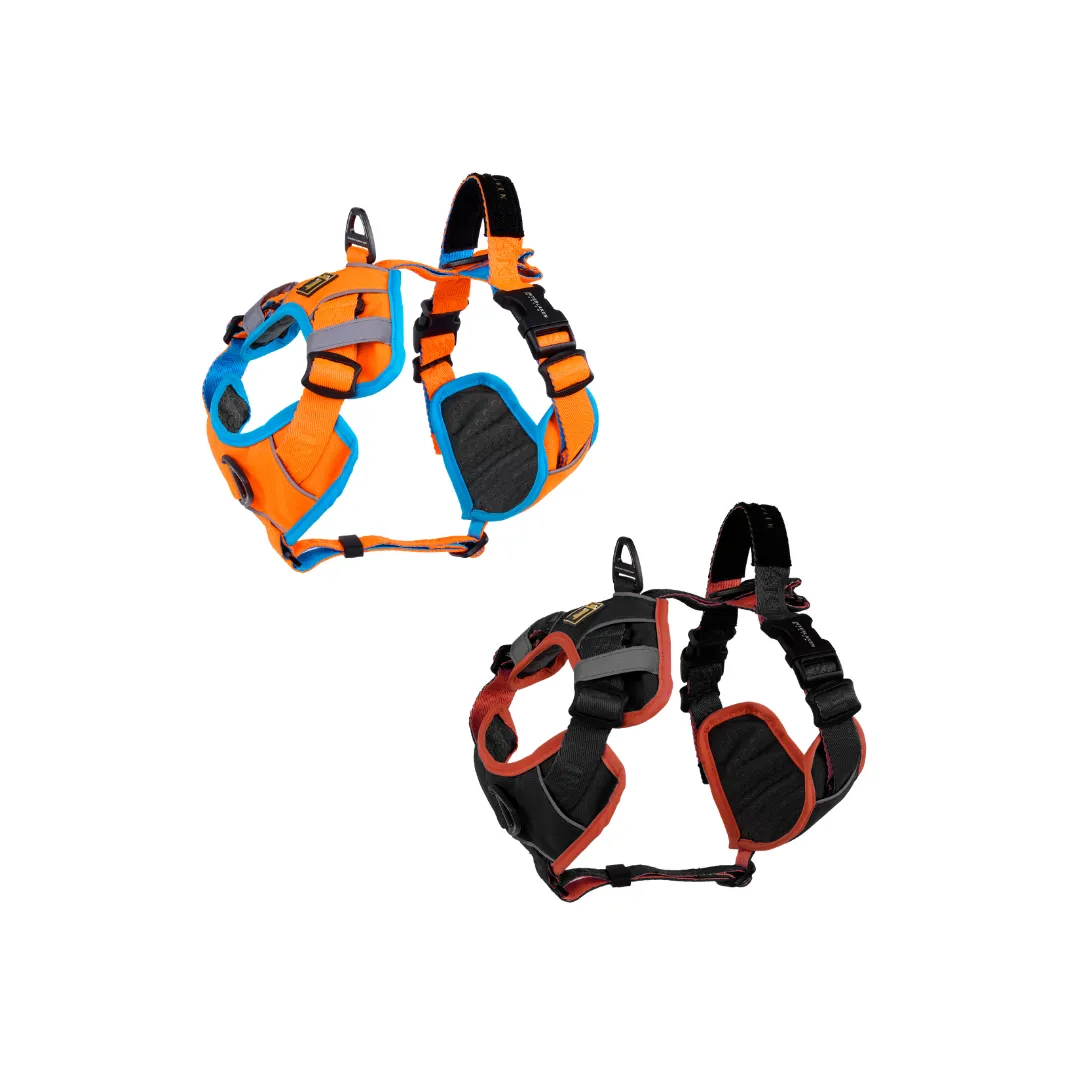
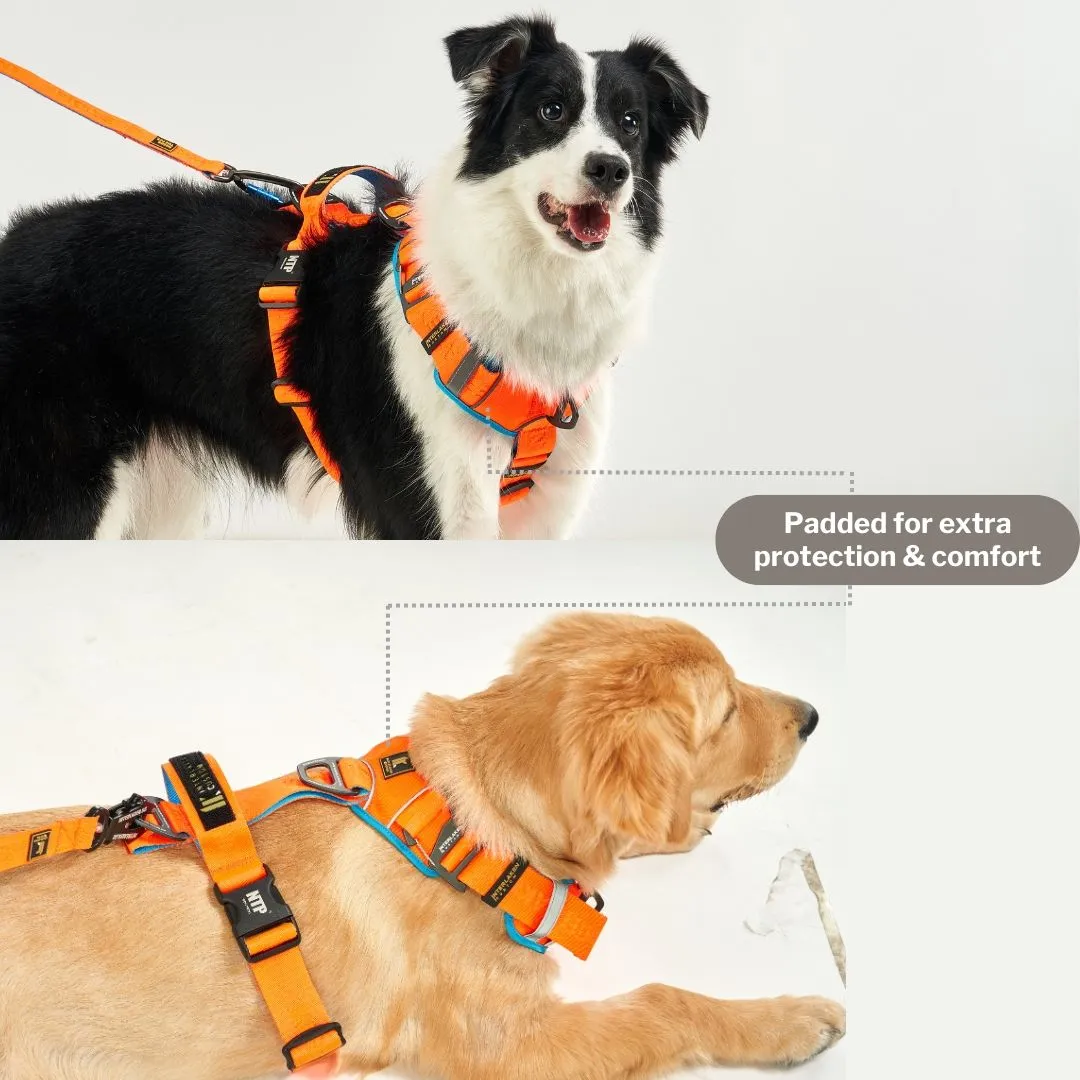
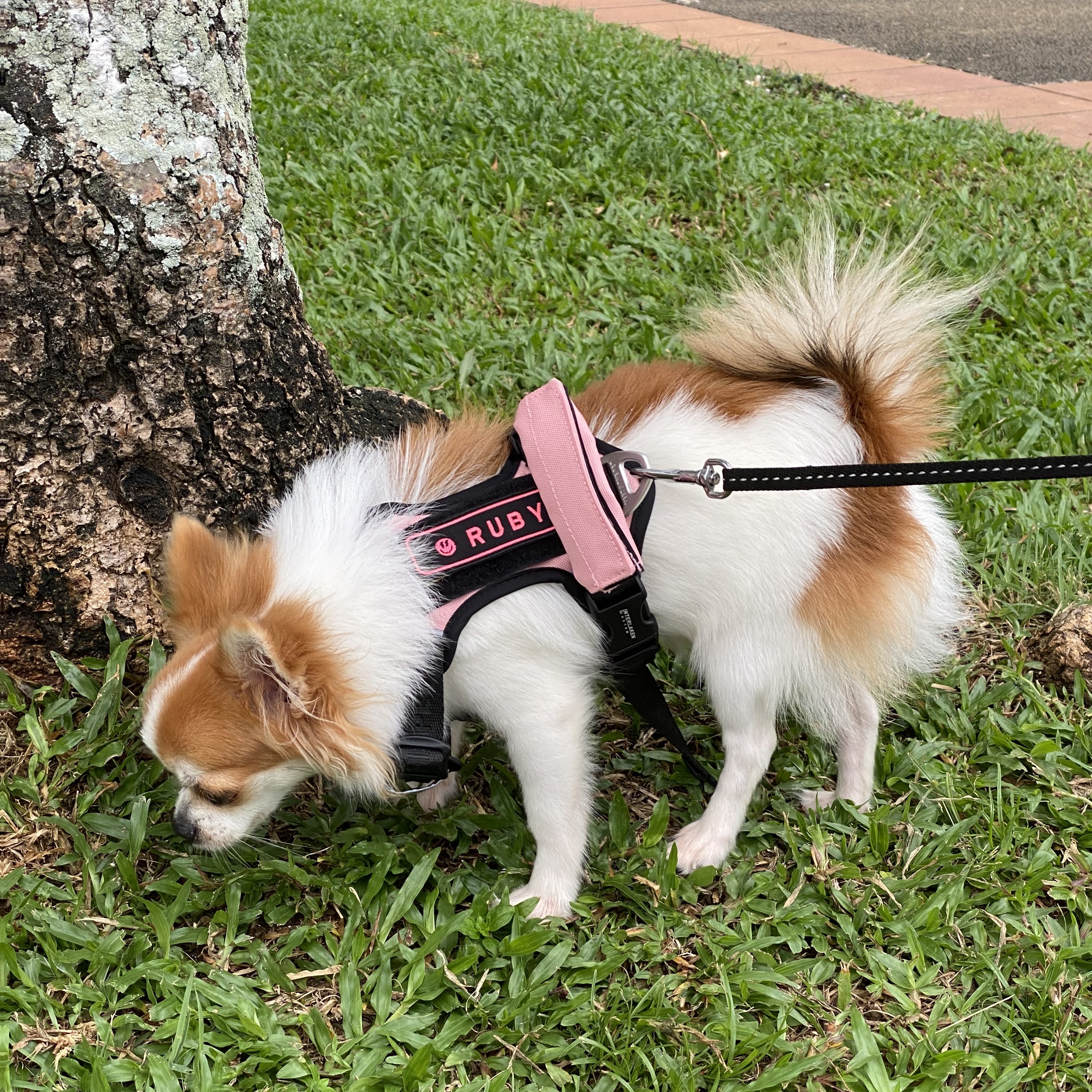
INTERLAKEN No-Pull Padded Dog H-Harness
- A classic H-harness made better, padded for key contact points for a secure fit that stays comfortable on every walk
- Rated strength: 120kg, light enough for small dogs and strong enough for bigger pullers
- Environmentally friendly using recycled materials
- Customisable with your dog's name patch
```
An H-harness has an H-shaped design with a horizontal strap that passes over your dog’s shoulders and back. It fits snugly, stays in place, and provides stability during walks. This type of harness works well for dogs with a narrower chest or front-leg spacing. Harnesses with added padding on the chest, stomach, or back help distribute pressure more evenly across your dog’s body. It also prevents chafing and irritation that would normally occur with non-padded harnesses.
How to Choose a Dog Harness
Aside from your dog’s size, breed, and behaviour, here are some tips to look for when shopping around for your dog’s perfect harness.
Strength and Balance
Pick a harness that is both durable and lightweight. Look for harnesses that are tested to withstand up to 120kg of pulling force, especially important for stronger or bigger dogs. A good design applies pressure evenly to support your dog’s body, protecting its airways and keeping it comfortable on walks and adventures. Look for durable materials and the type of metal hardware used, which is key to ensuring the harness does not weigh down on the dog’s body. Premium-grade A7075 aluminium alloy (used in aircraft) is one of the best materials that keeps harnesses light without compromising on strength.
Weather Protection
A quality harness is made with durable materials to withstand wear and tear. Fabrics that are water-resistant, anti-bacterial, or UV-blocking are some great options to choose from. For dogs with sensitive skin, 100% cotton is a good choice too.
Ergonomic Fit
A harness should support your dog’s body without causing irritation or discomfort. An ergonomic design follows the natural shape of the anatomy as well as avoids pressure on the airways. Adjustable support like buckles around the neck, chest and belly will provide a good fit for comfort and safety. Curved buckles would further enhance comfort by fitting more naturally against your dog’s body.
All-round Performance
Active dogs need a harness that can keep up with their strength and energy. The harness should also be flexible enough to accommodate your dog’s varied movements while keeping them comfortable and secure. A no-pull harness with dual clips offers the ideal combination of control and freedom of movement.
Customisable Design
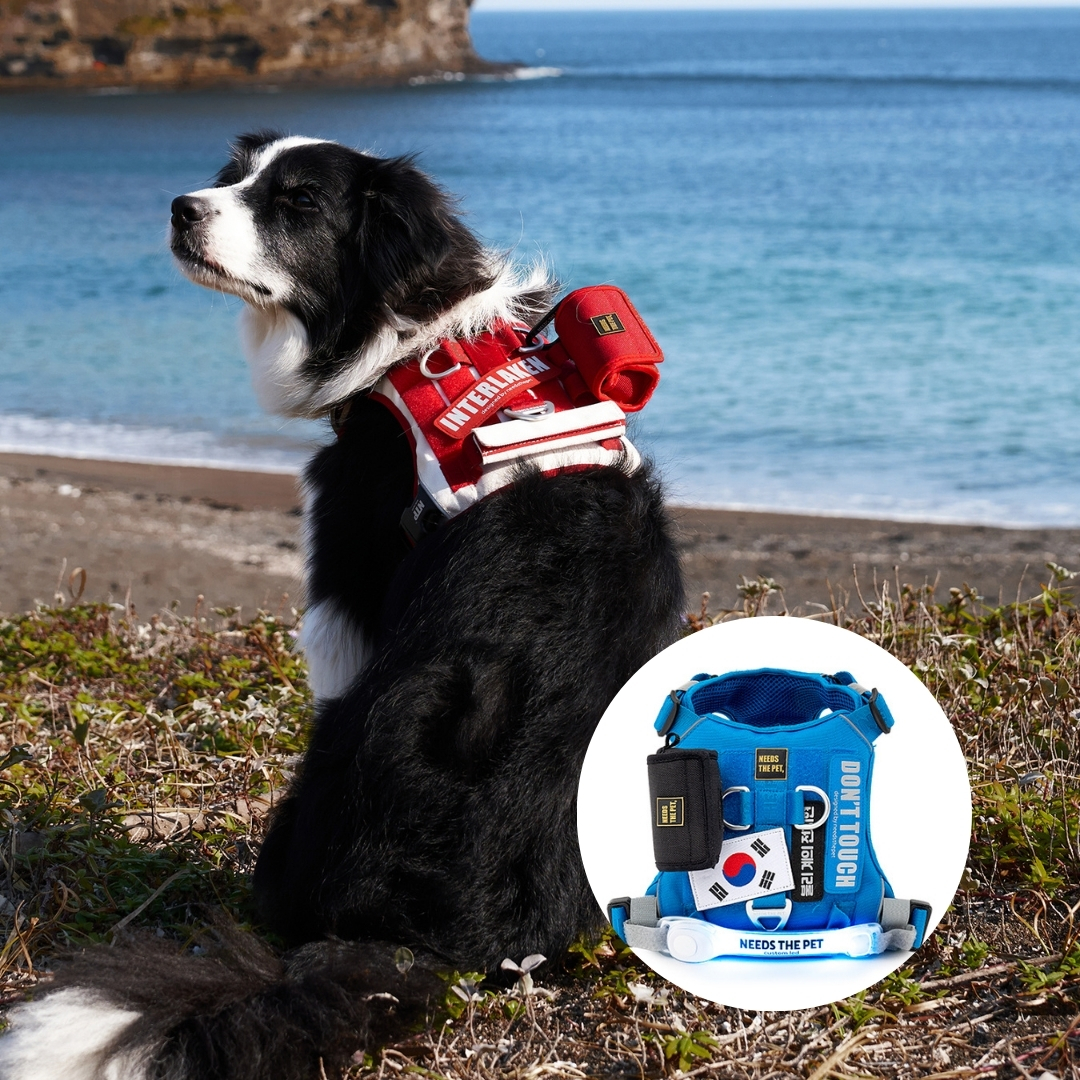
A customisable harness design offers both flexibility and personalisation. You can explore these options at Barkaberry, whether it is an additional D-ring to attach a pet ID tag or affix a Velcro name patch for identification. Custom patch tags can also be added for function and aesthetics. Personalised tags make walks more social and enjoyable.
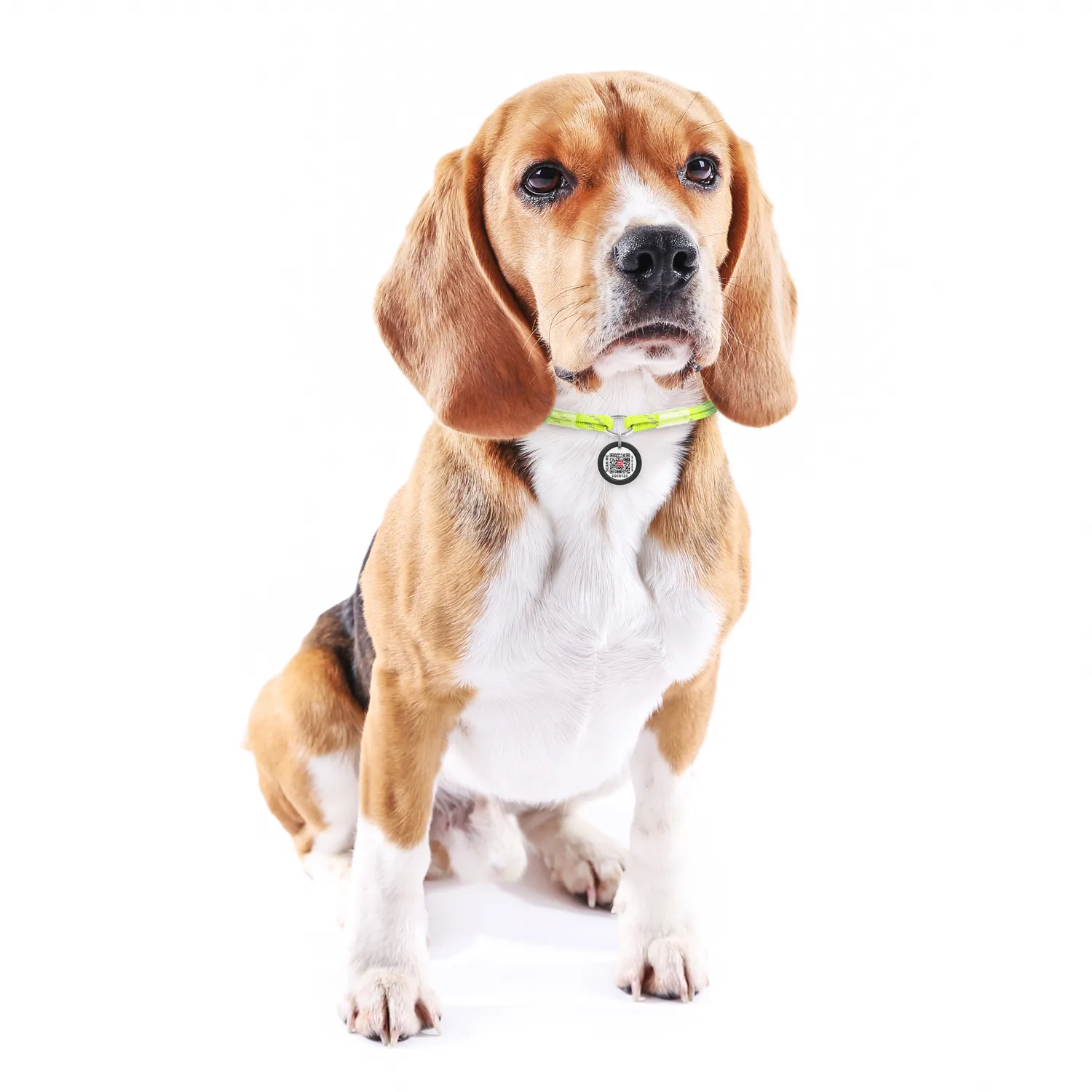
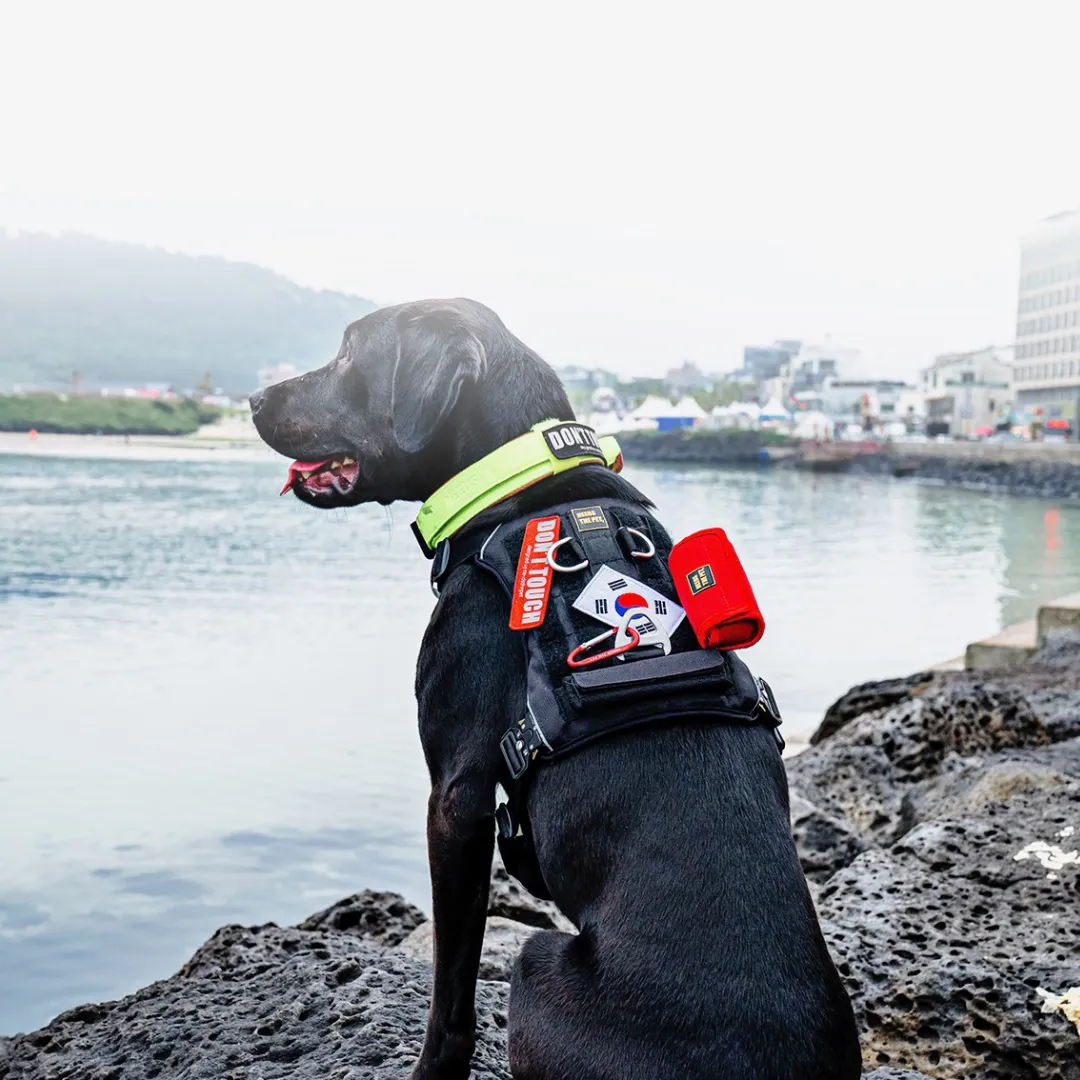
The right dog harness is more about balancing control and meeting your dog’s needs and comfort.
Whatever the adventure, Barkaberry harnesses are designed for canine explorers and their human companions to enjoy every step together. Your daily walks are going to be a breeze!
Frequently Asked Questions
How do I measure my dog for a harness?
To measure your dog for the right harness size, use a flexible tape measure (with a 2-finger allowance) around the base of the neck diagonally and their chest at the widest part, just behind the front legs.
Comment