Walking Your Dog in the Rain: Safety Tips Every Owner Should Know
Nov 11,2025
Taking your dog for a walk on a sunny day can be a breeze, but what about during Singapore’s monsoon season? Rainy days should not halt your dog’s daily exercise routine, especially when outdoor potty breaks are a necessity just as much as daily exercise is for very active dogs. All dogs need some form of exercise to stay happy and healthy. Some breeds, like the Jack Russell Terrier, are naturally more active and thrive on physically engaging activities like running, playing fetch, or hiking. That is why it is good to pack a few essentials when heading out, so you are prepared for unexpected rain. Here are some tips to make dog walking in the rain a safe and fun experience.
Check the Temperature and Weather Conditions
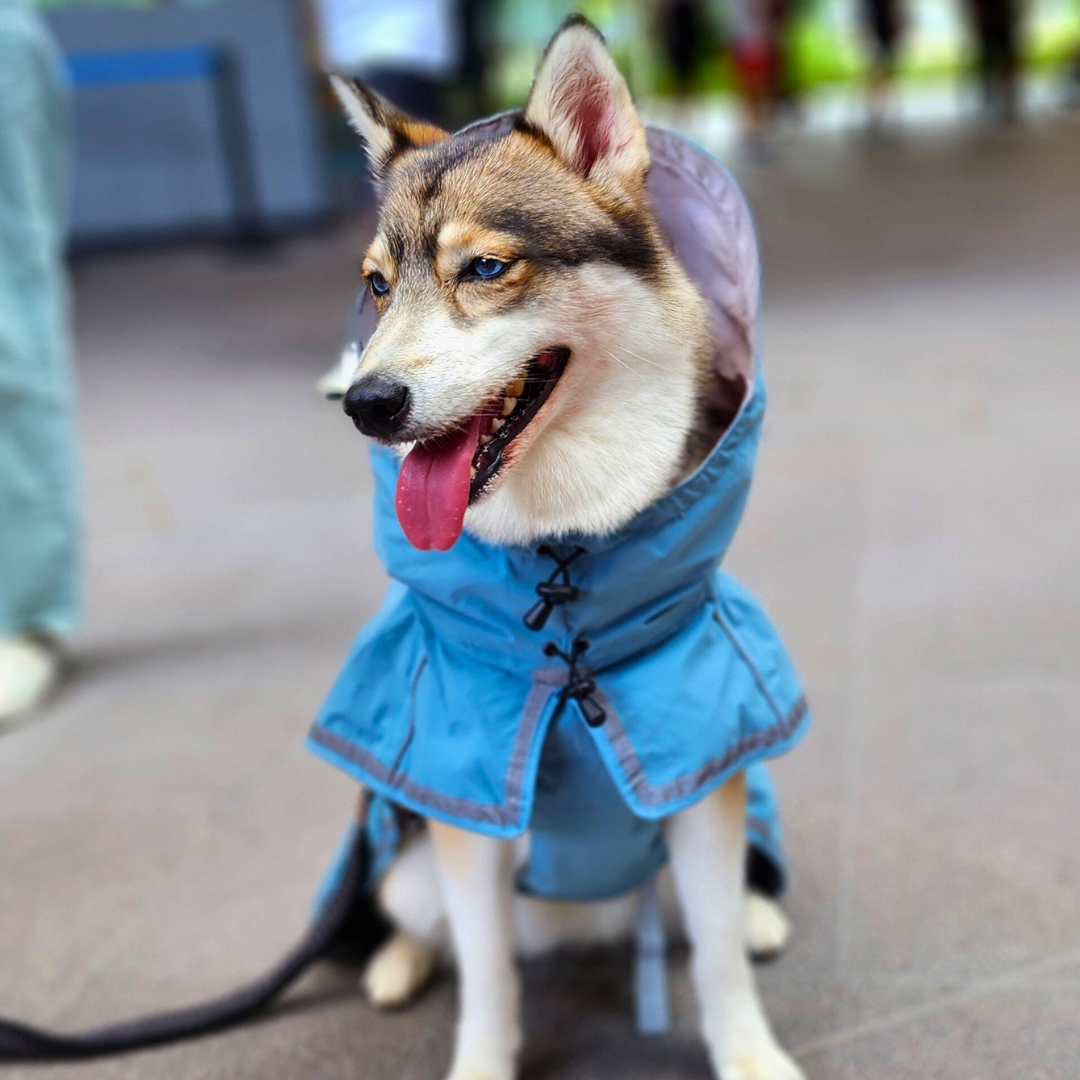
Before heading out with your dog, check the temperature and weather for the day and plan your morning or evening stroll around unexpected weather. If it is cloudy and a little chilly after the rain, make sure your dog is appropriately dressed to stay dry and comfortable. Wearing a raincoat can protect your dog’s back, neck, and belly from cold, wet weather, keeping them comfortable and dry.
You should train your dog to get used to wearing a raincoat if they have not worn one before. Let them sniff, touch, and explore it at their own pace, while you gently encourage them with treats and praise to associate it with something pleasant. Gradually introduce the raincoat by letting them wear it loosely at first, then gradually adjust it to the proper fit.
Choose the Right Raincoat
Without a raincoat, rainy-weather walks can leave your dog wet and uncomfortable. A good raincoat should fit your dog comfortably and serve as a shield against wind, mud, and rain. There are several types of raincoats that you can choose from, depending on your dog’s needs and activity levels.
- Full-body coats offer substantial coverage and protection from rain but may slightly limit movement.
- Slicker coats cover the sides and back, making them ideal for active dogs that enjoy outdoor playtime.
- Ponchos solely cover just the back of the dog and are best suited for mild, drizzly weather.
Take accurate measurements of your dog to ensure the best fit and prevent it from moving around too much. Not only does this promote your dog’s comfort, but it also ensures their freedom of movement without chaffing or causing irritation. The raincoat also minimises clean-up after spending time outdoors in the rain. Some types may even feature reflective materials to make your dog more visible on gloomy, rainy days.
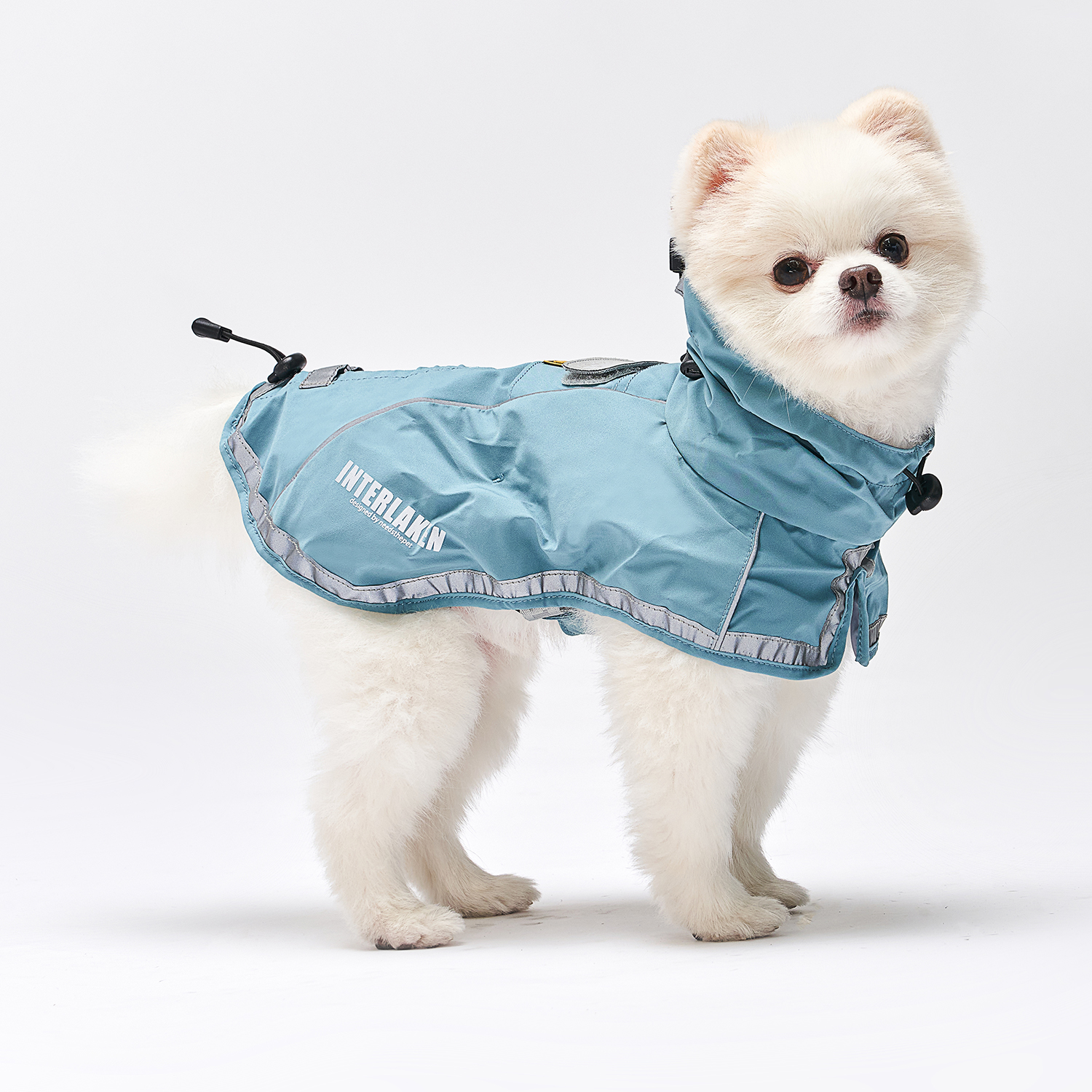
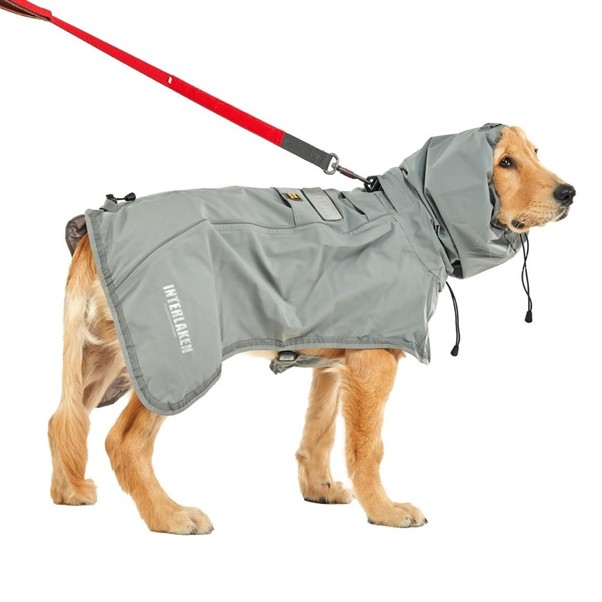
Consider the INTERLAKEN raincoat, featuring lightweight fabric and five adjustment points to ensure the most comfortable fit for your dog.
It also pairs nicely with additional accessories like a waterproof leash and collar for your dog, as it has two openings on the back to allow a leash to be hooked onto the collar or harness worn underneath.
The waterproof fabric and design with hood plus chest flap keep your dog dry as well as prevent moisture damage to your dog’s accessories and allows them to be wiped clean and reused almost immediately.
Reflective strips on the raincoat increase safety in low light conditions.
You can also find them in five stylish colours and sizes up to 8XL, catering to any dog breed.
Consider Your Dog’s Breed
When it comes to rainy walks, different dog breeds handle the wet weather in varying ways. Breeds with short and fine coats, like Dachshunds and Chihuahuas, are more sensitive to the cold and may benefit from a raincoat. Layering a raincoat over your dog’s clothing or harness can provide them with extra warmth, especially for senior dogs who might have a harder time maintaining their body heat.
Breeds with thick or double coats, such as Golden Retrievers and Siberian Huskies, are generally more resistant to cold and wet weather due to an insulating undercoat. However, they are also more likely to trap mud and moisture in their fur, so a raincoat can help to keep them clean, dry, and comfortable.
No matter the breed, wearing a raincoat is encouraged as a protective measure to keep your dog warm, dry, and clean during walks.
Protect Your Dog’s Paws
Puddles can quickly form during rainy weather, and while your dog might enjoy splashing around in them, they can be hazardous. Toxins like pesticides and antifreeze can also accumulate in puddles and be harmful to your dog’s well-being. This makes it important to keep your dog’s paws clean to protect their well-being and prevent them from licking off dirty or contaminated water.
After every walk, be sure to wash and dry your dog’s paws thoroughly the moment you return home. Use lukewarm water and pet-friendly soap to wash and rinse their paws, or opt for gentle, chemical-free paw wipes. Alternatively, consider waterproof dog shoes to keep their soft paws clean and safe at all times, as you will only need to clean the shoes after a rainy walk.
Dry Your Dog Off After a Walk
A raincoat offers excellent protection for your dog, but heavy rainstorms could still get your dog a little wet and dirty in places. Once home from a rainy walk, dry off any moisture to prevent them from getting sick, as prolonged wetness can cause skin irritation and infection. This is especially important for dogs with underlying health conditions or a weakened immune system.
Moisture can accumulate in your dog’s ears, eyes, and toes, and you can use a blow-dryer on a low setting to help dry their coat, especially around the paws and belly. Floppy-eared breeds require extra attention, as they are prone to trapping moisture, which increases the risk of bacterial and yeast infections due to limited air circulation, unlike point-eared breeds. Wearing a raincoat can help keep your dog drier and more comfortable during wet walks. As an extra precaution, monitor your dog for any signs of illness, such as coughing, sneezing, or lethargy, and consult your vet if you notice any of these symptoms.
Check Your Dog for Ticks and Fleas
The monsoon season creates a breeding ground for parasites and germs that can affect your dog’s skin and health. Always check your dog for ticks and fleas to prevent an infestation. Ticks can cause skin irritation and inflammation at the site of attachment. Pay attention to your dog’s ears, armpits, and belly, where ticks and fleas tend to hide. For protection against fleas, consult your veterinarian about oral medications or consider our insect-shield dog clothing.
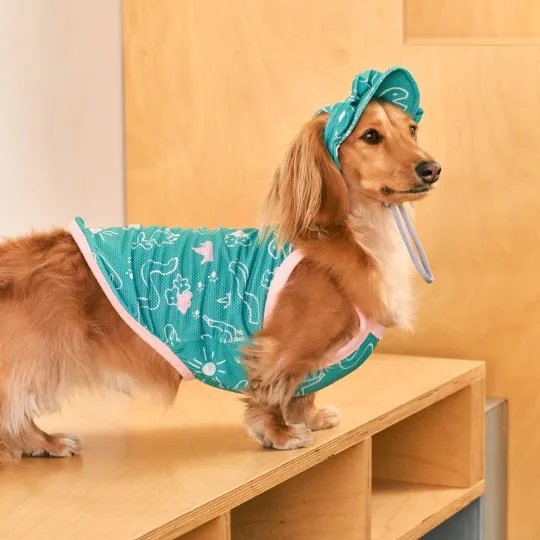
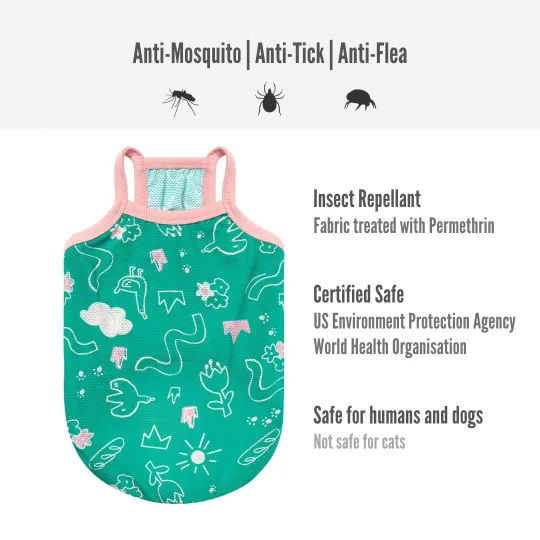
Cooling T-shirt Garden | Insect Shield
- Perfect t-shirt to keep your dog cool and keep the bugs away!
- A matching cap completes the stylish look, sold separately
- The special fabric keeps the body cool and has insect-shield properties to repel fleas, ticks, mosquitoes and flies
Plan Your Route with a Backup Plan
Always have a backup route in case the weather worsens during your walk. Avoid steep hills or slippery surfaces, as they can be hazardous for both you and your dog. Plan alternate routes with shorter walks, or routes with nearby shelter to take cover if it pours heavily.
Conclusion
Walking your dog in the rain requires extra preparation and care to ensure a safe journey for both of you. Rainy days might dampen our moods, but they shouldn’t dampen your dog’s much-needed walks. Whether it’s a drizzle or a downpour, having key accessories like a raincoat, water-resistant gear, towels, and wipes is essential to make walks with your dog enjoyable, even in gloomy weather.
Comment